Skip to content
Life Helpers Initiative

— How We Work

Our Strategies & Strategic Plan.

A plan towards Consolidation of Programme Impact, and Organisational Sustainability

LHI's third strategic plan (30 April 2026) builds on the achievements of 2022–2025 to consolidate programme impact, boost resource mobilisation, and expand collaboration and influence.

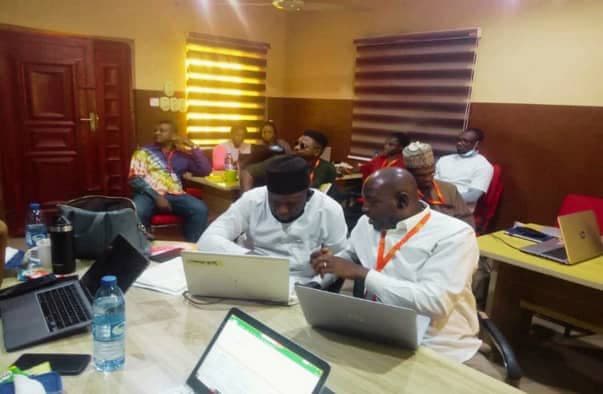
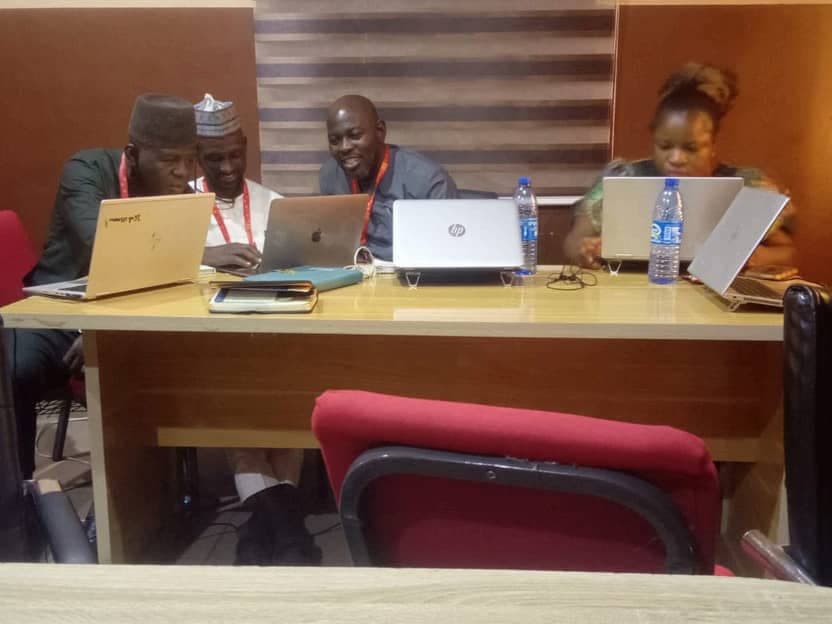
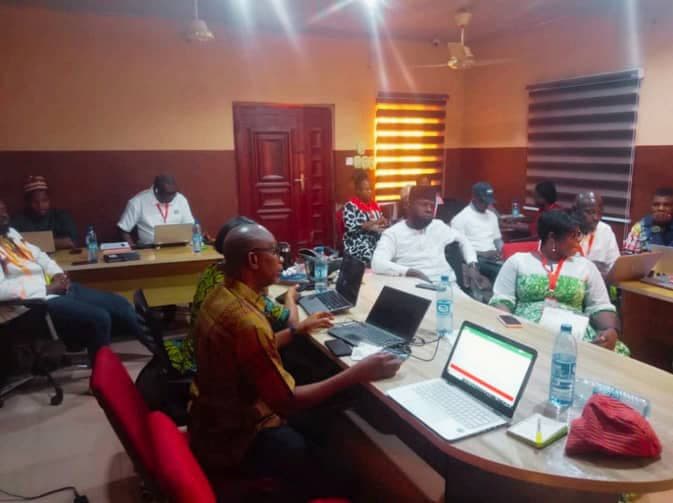
Staff working in groups during the 2026–2030 strategy review workshop
Proven Methodologies

“Community co-ownership, systems strengthening, and sustainable methodologies.”

Our Strategies

Four ways we strengthen change

1S-C

Strengthening Capacities

Building the technical, managerial, and operational competencies of individuals, communities, and institutions to deliver and sustain development outcomes.

Core focus areas

  • Workforce development (staff, volunteers, frontline workers)
  • Community capacity building (CBAs, WDCs, youth groups)
  • Institutional strengthening (CSOs, local partners)
  • Knowledge transfer and continuous learning
2S-S

Strengthening Systems

Improving the structures, processes, and frameworks that govern service delivery, especially within health, education, and social systems.

Core focus areas

  • Systems strengthening
  • Data systems and M&E frameworks
  • Institutional governance and accountability
  • Policy implementation support
3S-PC

Strengthening Partnership & Collaboration

Building and managing strategic relationships with stakeholders to enhance resource mobilization, coordination, and program effectiveness.

Core focus areas

  • Donor and development partner engagement
  • Government collaboration (federal, state, LGA levels)
  • Private sector partnerships
  • Consortium and multi-partner project implementation
4S-NL

Strengthening Networking & Linkages

Facilitating connections between communities, services, and institutions to ensure continuity of care, support, and opportunities.

Core focus areas

  • Community-to-facility linkages
  • Referral networks (health, protection, education)
  • CSO and community networks
  • Knowledge-sharing platforms
“This Strategic Plan is more than a document, it is a promise: a promise to deepen our impact across our six thematic areas, to strengthen systems, amplify advocacy, and elevate community leadership, and to uphold our core values of Love, Honesty, and Inclusion in every action we take.”
Engr. Godfrey Mayoku · Chairman, LHI Board of Trustees
“It was simply just a passion – a passion to touch lives, a passion to make children feel wanted, an attempt to restore their dignity. That passion now has a structure, a vehicle, and over the years, it has become stronger and better. We are Life Helpers.”
Tayo Fatinikun · Executive Director

Strategic Plan 2026–2030

Overall goal

Improved well-being, resilience, and inclusion of vulnerable populations in communities where LHI operates.

A. Programme outcomes

Increased utilisation of health and education services, increased household income, food stability, and participation of marginalized groups in decision-making.

  • HealthImproved access to quality healthcare services and enhanced health outcomes for all health seekers
  • EducationIncreased access to basic education and improved learning outcomes
  • LivelihoodImproved household economic resilience and income generation
  • Food securityIncreased food security and sustainable agricultural productivity
  • Social inclusionIncreased social inclusion and equitable participation in development opportunities
  • ProtectionImproved protection, safety, and dignity of vulnerable populations

B. Organisational capacity

Strengthened organisational capacity.

  • Organisational leadership & governanceImproved governance and administrative procedures
  • Human resource developmentIncreased productivity and an efficient workforce
  • Fund development / Resource mobilisationIncreased and diversified sources of income/funds
  • Financial managementEfficient management of organisational financial resources
  • Infrastructure and facilities developmentAdequate and conducive work environment across all locations
  • Organisational communicationsIncreased visibility and publicity
  • Partnership and networkingEffective partnership and expansion of services to target beneficiaries
  • Monitoring, Evaluation, Research & LearningImproved data processes and management for information and decision-making

Operationalising the plan

Seven key strategies

  1. 01

    Systems strengthening

    Working with existing government systems and community structures, strengthening financial, group management, protection, supply chain and data systems so that results outlive project funding. Capacity assessments precede every intervention.

  2. 02

    Service delivery

    Direct provision of WASH facilities, nutrition support, education and agriculture infrastructure where strategic, complementing duty bearers at state and local levels.

  3. 03

    Advocacy

    Advocating for policy formulation, regulation and action that improve conditions for vulnerable and marginalised groups, and for inclusive governance at all levels.

  4. 04

    Community mobilisation, sensitisation and engagement

    Behaviour change communication, community outreach and media to encourage healthier choices, school enrolment and participation in livelihood programmes.

  5. 05

    Networking and collaboration

    Linking with NGOs, community groups and government ministries, departments and agencies to improve coverage and access.

  6. 06

    Organisational capacity development

    Strengthening governance, human resources, resource mobilisation, infrastructure, communication and M&E so LHI can deliver the plan efficiently.

  7. 07

    Research, documentation and publicity

    Operations research for evidence-based advocacy, and documentation that tells the public about LHI's work and attracts partnerships.

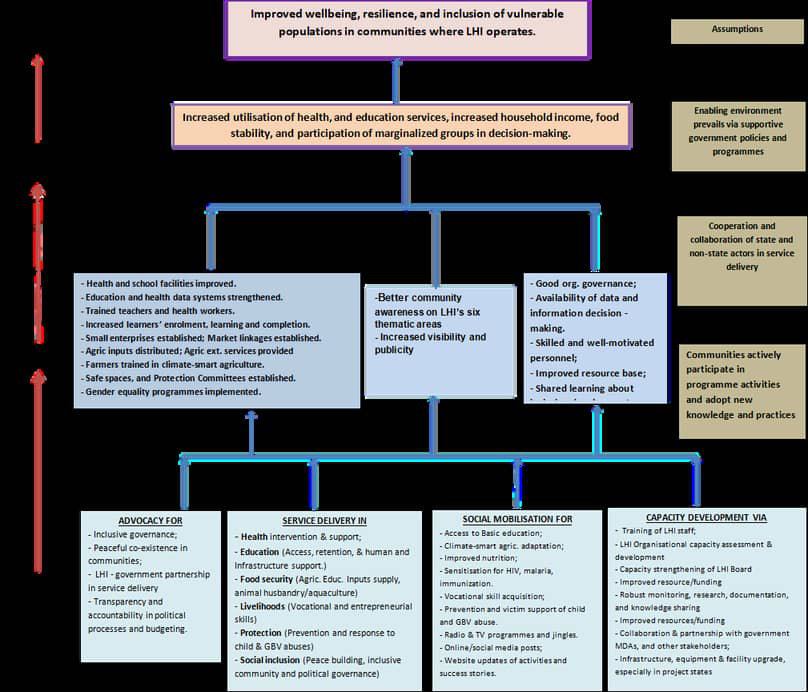
LHI Theory of Change

How the results connect

LHI Theory of Change diagram, Strategic Plan 2026–2030

Select the diagram to open it full size.

Strategic units

How LHI is organised

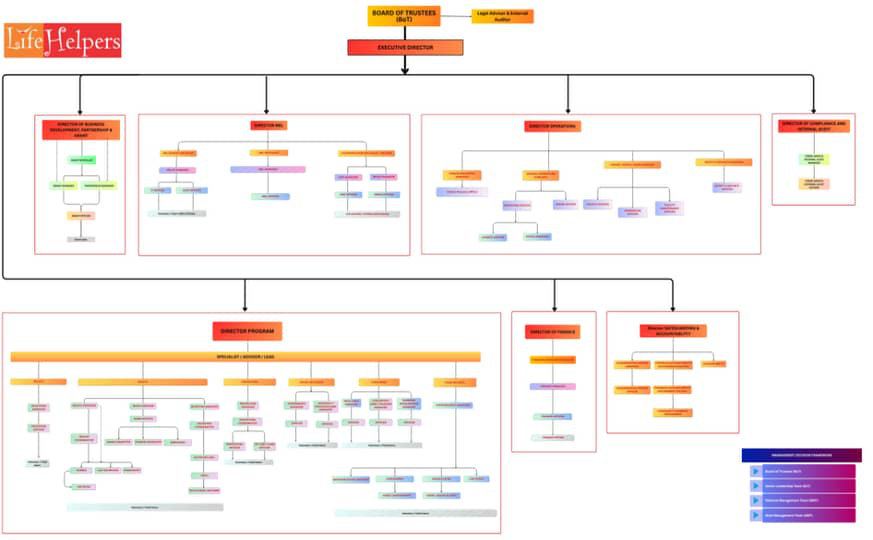
  • Finance

    Coordinates and manages all financial transactions and documentation.

  • Operations

    Oversees administration, security, supply chain, and general logistics.

  • Programmes

    Coordinates and provides leadership across all the thematic areas of our interest.

  • Safeguarding, Accountability & Gender (SAG)

    Coordinates safeguarding, accountability to affected populations, feedback mechanisms, and inclusive gender programming.

  • Business Development, Partnership & Grant Management (BuDPaGM)

    Drives resource mobilisation, manages partner relationships, researches fundable opportunities, and oversees grant management.

  • Monitoring, Evaluation, Research & Learning (MERL)

    Coordinates data management, operational and programmatic research and assessment, knowledge management, and learning.

  • Compliance & Internal Audit (CIA)

    Ensures policy and procedural compliance and upholds internal financial integrity.

Geographical focus

Head office at Goshen Development Centre, Tamaje, Sokoto, with programme footprints in Adamawa, Bauchi, Borno, Ebonyi, Katsina, Kebbi, Plateau, Yobe and Zamfara States, and the FCT. LHI will consolidate in states where it already has presence; expansion to Benue and Kaduna will depend on funding availability.

Target groups

Vulnerable people, especially marginalised communities, women, the girl child, people with disabilities, displaced populations, and others disadvantaged in one form or another.

Life Helpers Initiative organogramLHI organogram: select to enlarge

Strategic imperatives 2026–2030

Programmatic

  • Deepen technical staff competence across the six thematic areas: Health, Education, Livelihood, Food Security, Gender & Social Inclusion, and Social Protection.
  • Institutionalise quality improvement and assurance, with a framework to monitor programme outputs and outcomes.
  • Strengthen LHI's capacity to use advocacy as a complementary strategy.
  • Conduct operations research to provide current, accurate data for advocacy.
  • Implement robust Monitoring, Evaluation, Accountability and Learning (MEAL).

Organisational capacity

  • Invest more in ICT.
  • Amend the LHI Constitution to reflect best practice and co-opted Board members.
  • Simplify the organisational structure to reflect current programmes and scope.
  • Strengthen the Board, staff and volunteers through exposure, training and regular performance assessment.
  • Expand office space, equipment and vehicles in project states and the liaison office.
  • Improve staff welfare to remain competitive.
  • Improve documentation, communication, publicity and visibility.

Key achievements, 2022–2025

  • Secured grant portfolios of over ₦8 billion between 2021 and 2025.
  • Built strong relationships with state, local government and community stakeholders, including security officers who help keep work in rural communities safe.
  • Migrated accounting from QuickBooks to an Enterprise Resource Planning (ERP) system, adopted Kobo Collect for digital data collection and strengthened MEL.
  • Improved staff capacity through Knowledge Sharing Sessions, organisation-sponsored programmes and partner training.
  • Invested in office buildings, equipment and working tools, with owned office complexes in Sokoto, Kebbi and Yobe.
  • Created a “Hall of Fame” and alumni network for former staff who made exceptional contributions.
  • Created a Communications Unit producing videos, documentaries and radio talk shows.
Participants at the LHI strategic planning workshop
Senior leadership reviewing the draft strategic plan
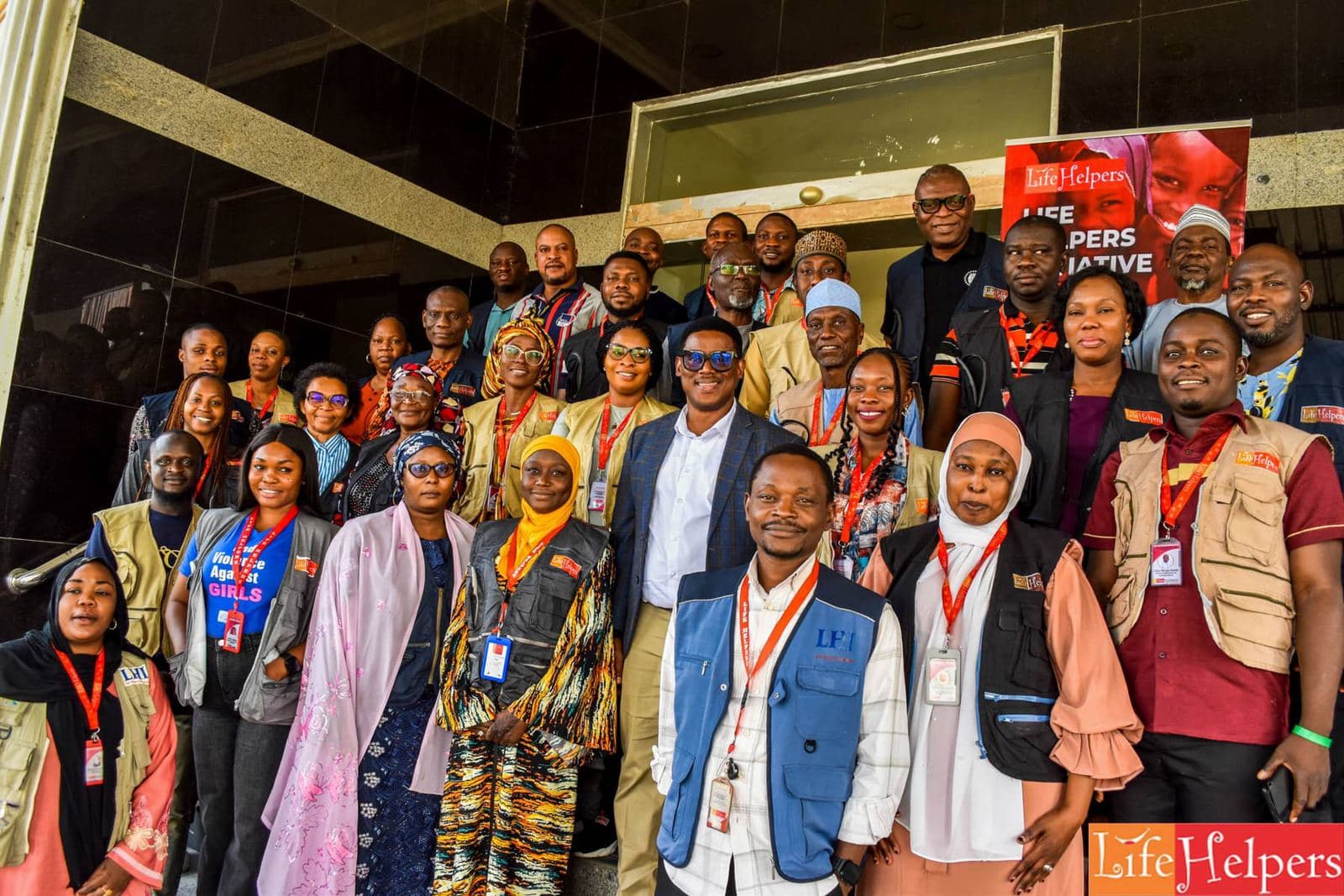
Life Helpers Initiative staff and leadership at the Strategic Plan workshop

The strategy review and planning workshop, Goshen Development Centre, Sokoto, 23–27 February 2026.