Health
High-impact health and nutrition interventions across conflict-affected and rural communities, delivered alongside multilateral partners.
In the northwest and northeast zones of Nigeria, health indices remain relatively low in many communities — a core, high-engagement focus area for LHI's field teams.
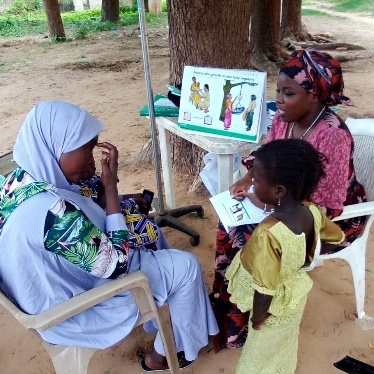
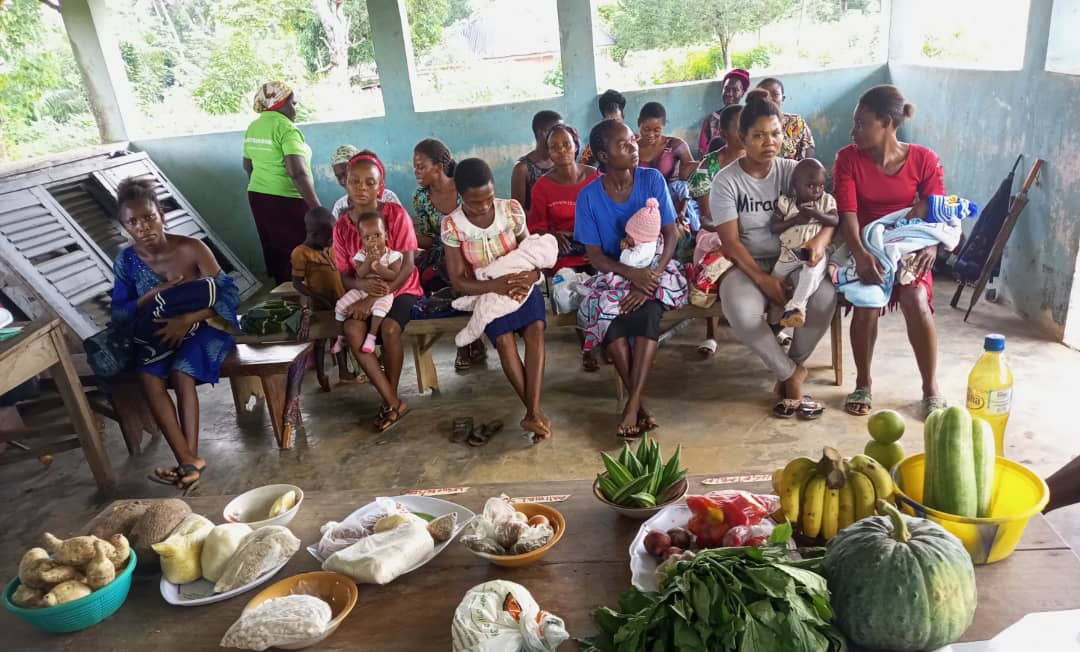
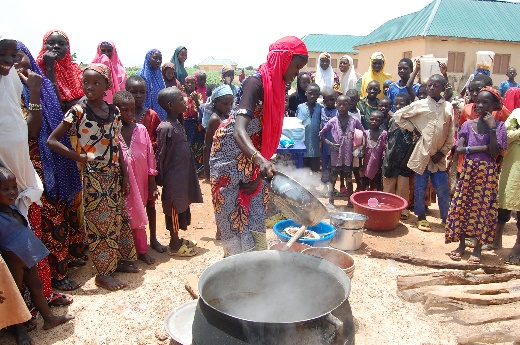
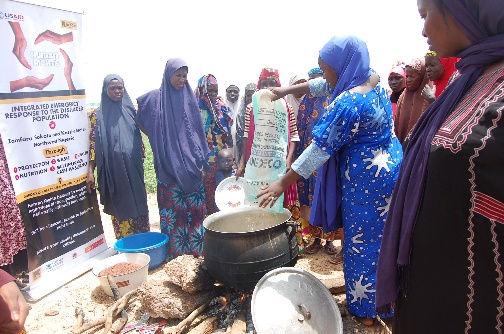
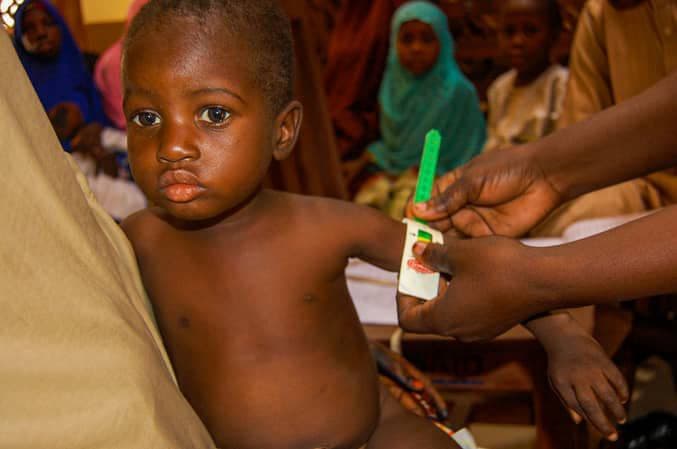
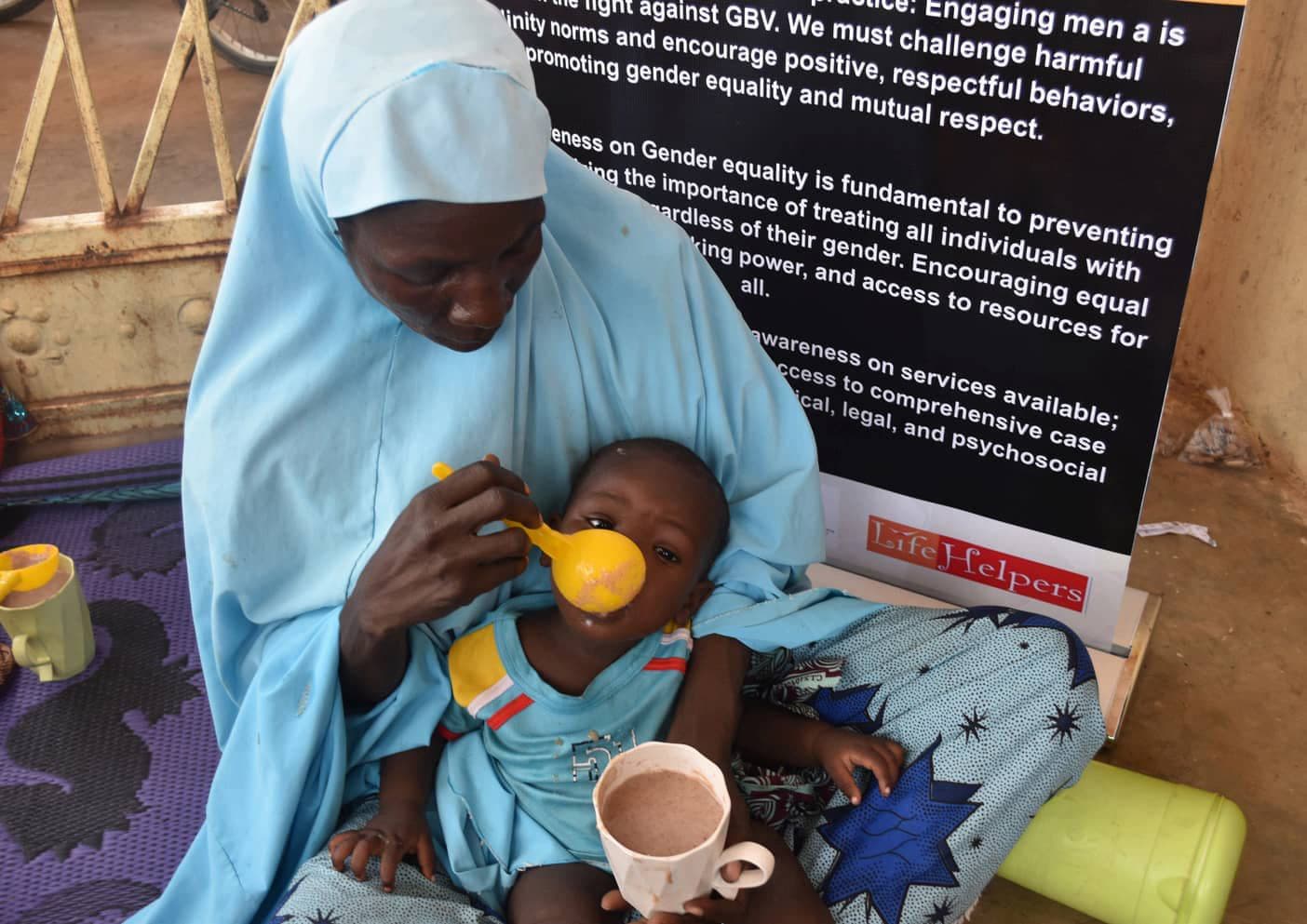
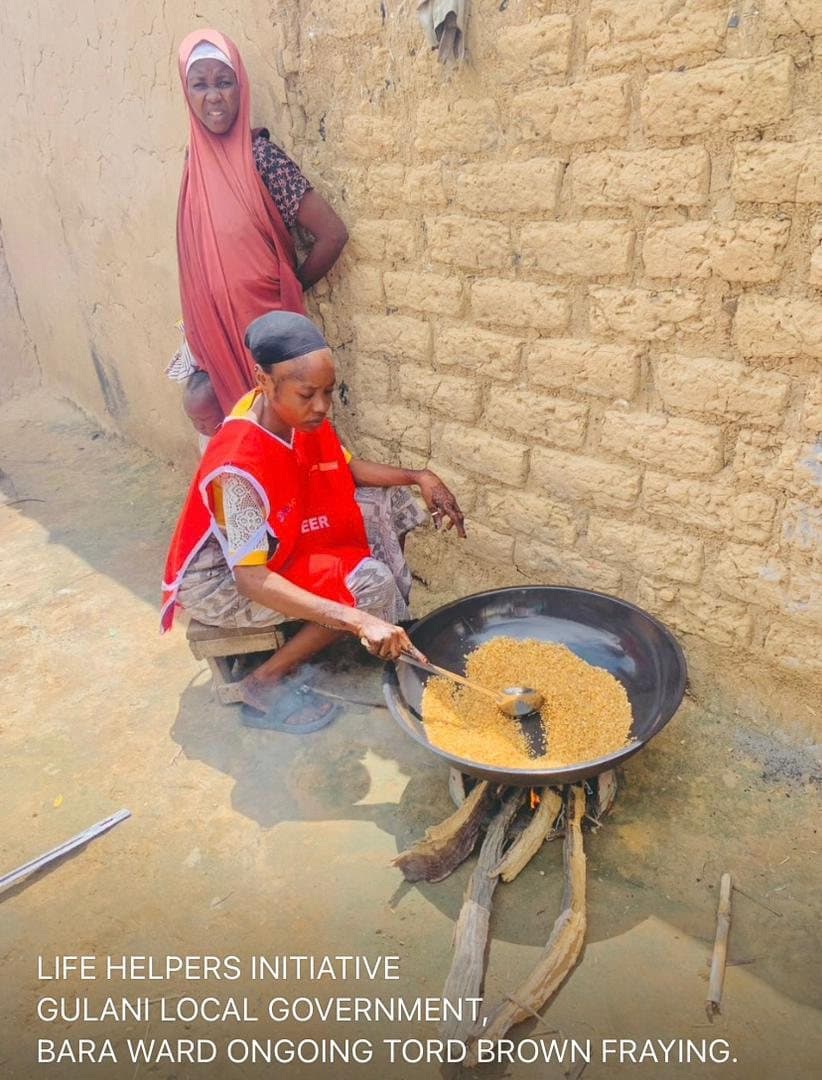
Maternal, Infant, and Young Child Nutrition (MIYCN): prevention and clinical treatment of acute malnutrition, including MUAC screening, Community-Based Management of Acute Malnutrition (CMAM), and locally formulated complementary food (Tom Brown).
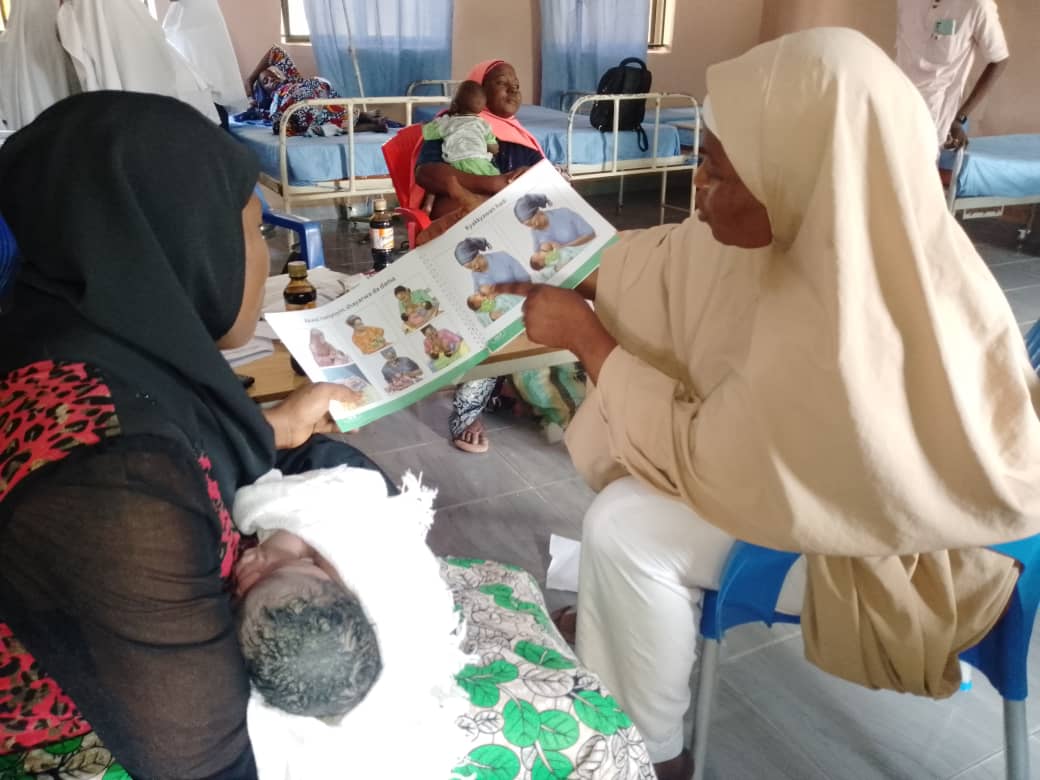
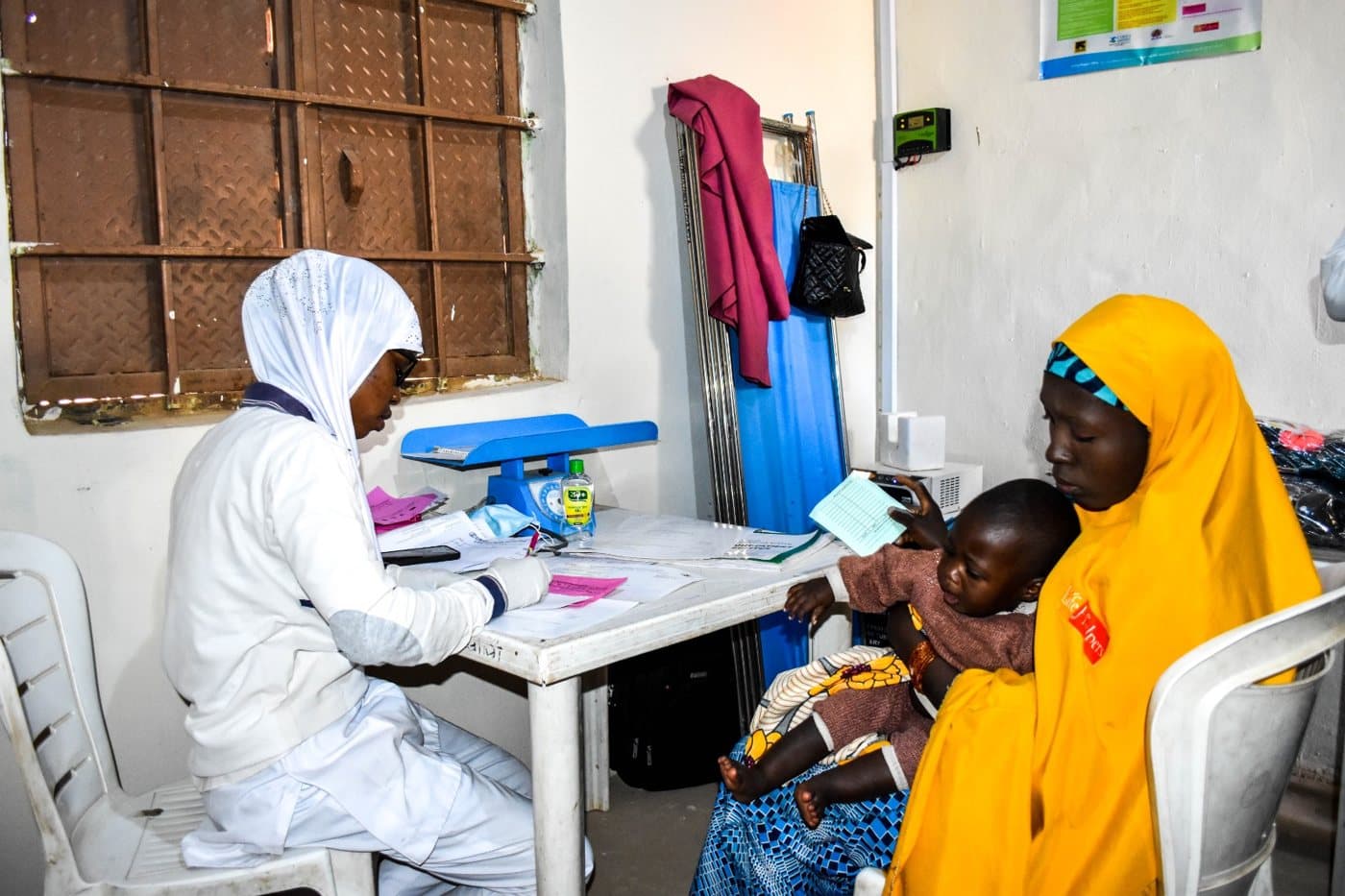
Maternal & Child Health (MNCH): antenatal and postnatal care facilitation, capacity building for frontline primary healthcare providers, and emergency referral transport.
Immunization & Disease Control: routine childhood immunization, malaria early diagnosis and prophylaxis, and rapid response mechanisms.
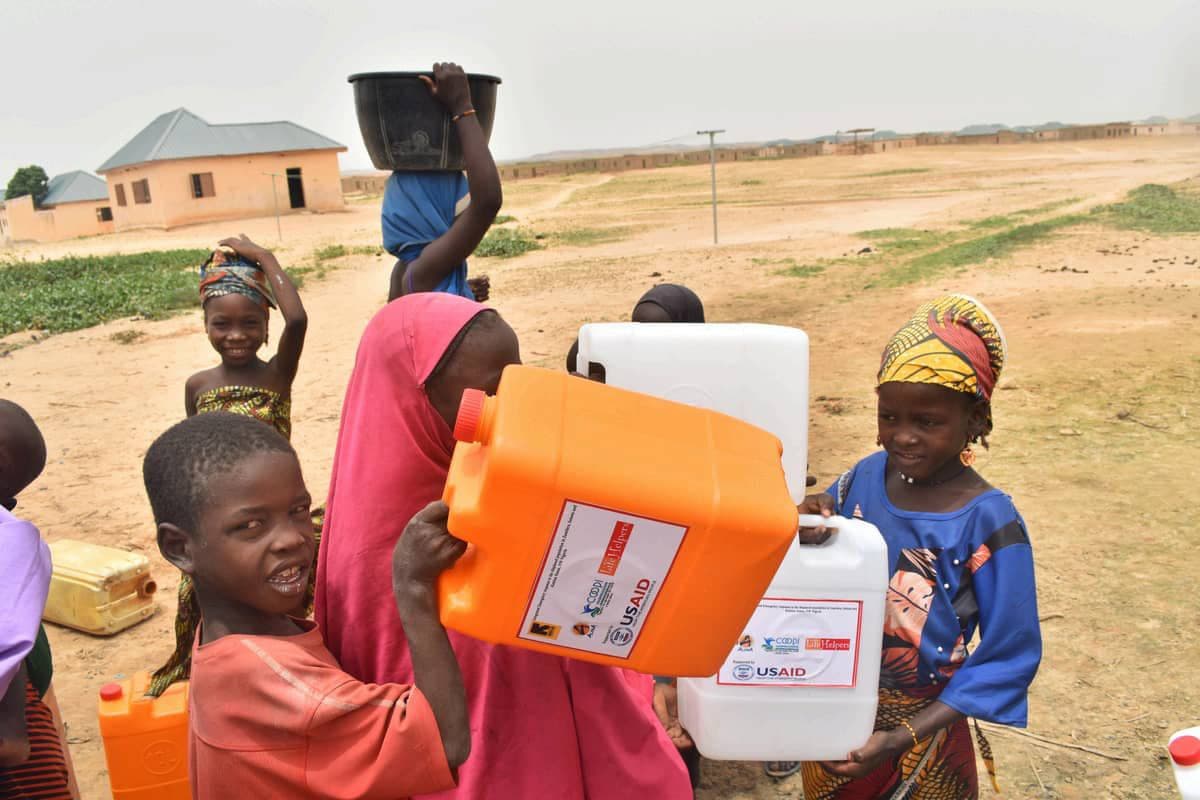
WASH (Water, Sanitation & Hygiene): emergency and developmental water, sanitation, and hygiene services, including water point rehabilitation in IDP host communities.
- Focus areas
- 4
- States active
- 11
- Established
- 2004
Active Projects in Health
These field-level interventions are currently or previously implemented under our Health thematic portfolio across Nigeria:
 Active
Multi-Sector Life-Saving Assistance and Targeted Nutrition Response
Multi-sector life-saving humanitarian assistance in Northeast Nigeria alongside targeted nutrition response in Northwest Nigeria. Under a pre-award arrangement, IRC authorised LHI to begin implementing the approved technical proposal and budget.
 Active
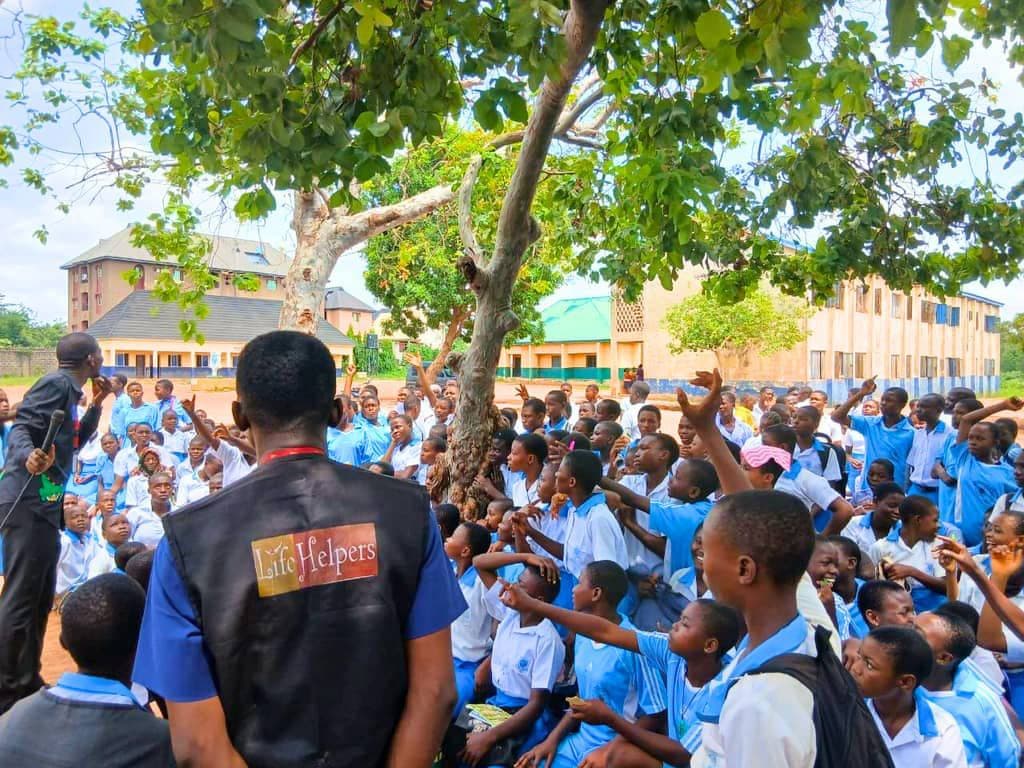
Family Life HIV Education (FLHE) and Education for Health and Wellbeing (EHW)
Supports quality Family Life HIV Education and Education for Health and Wellbeing that empowers adolescents and young people with skills to prevent HIV, reduce unintended pregnancies and eliminate gender-based violence in schools.
 Active
Life-saving Integrated Health and Nutrition Interventions for Women and Children Facing Acute Malnutrition
Integrated, life-saving health and nutrition interventions for women and children suffering from or at risk of acute malnutrition, reducing morbidity and mortality through timely access to essential health services.
 Active
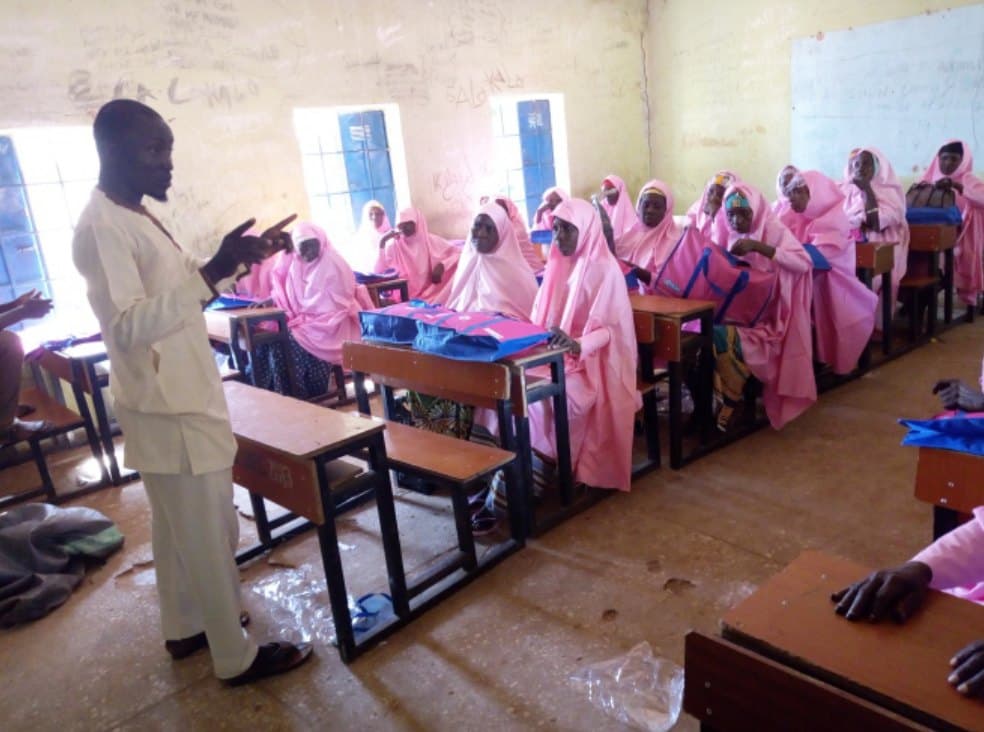
Strengthening RMNCH+NM Quality of Care in Primary Health Care Facilities of Sokoto State
Strengthens maternal, newborn and child health services by building health worker skills (Specialized Newborn Care, Kangaroo Mother Care, Helping Babies Breathe) and improving service quality through training, mentoring and supportive supervision.
 Completed
Emergency Medico-Nutritional Services to Displaced and Host Populations in Borno and Yobe
As implementing partner to ALIMA, LHI reduced morbidity and mortality among host and displaced populations through emergency medico-nutritional services.
 Active
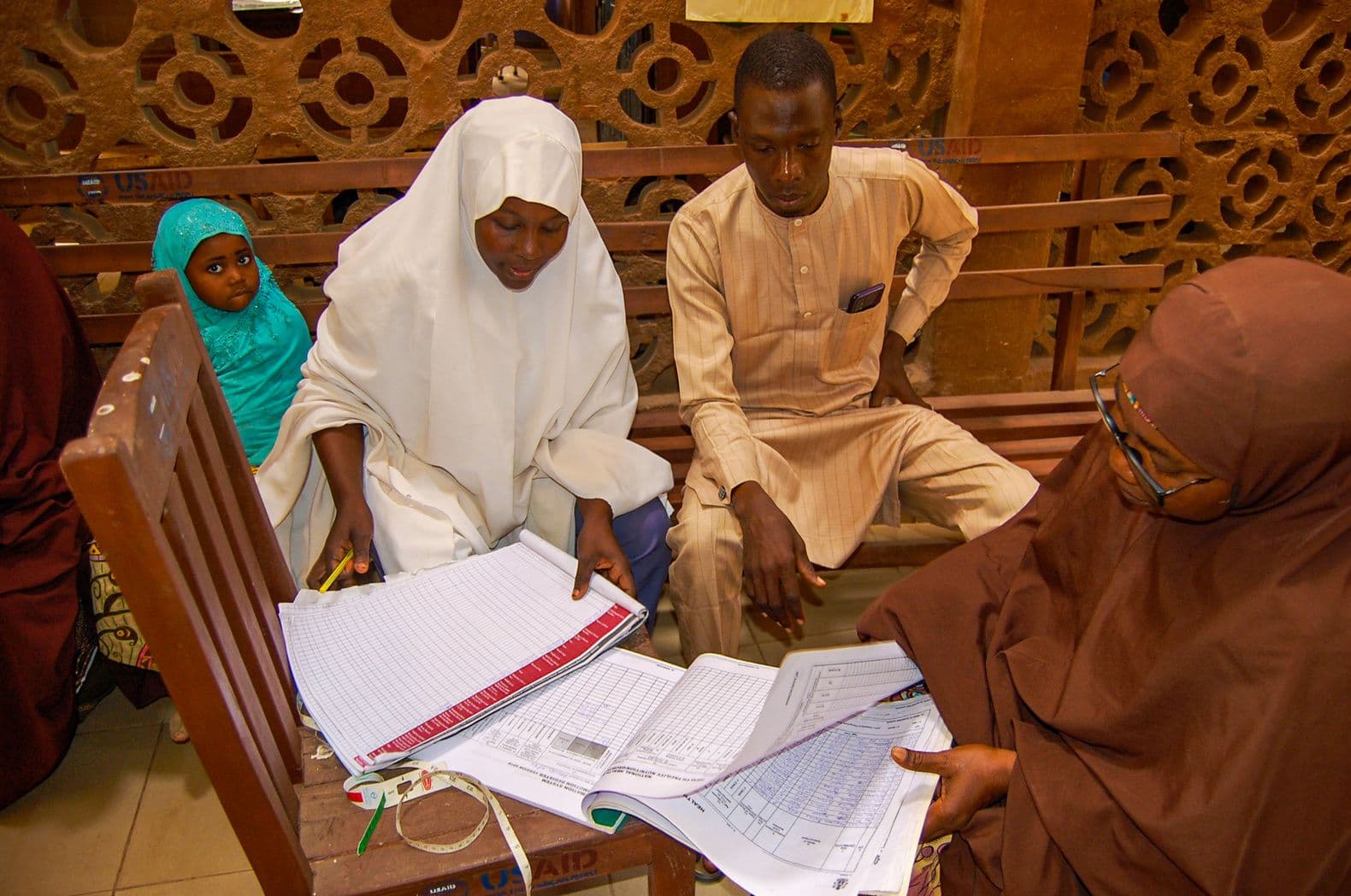
EnRICH / Mobilizing Nigeria Community Frontline Health Workers Project
Trains, mentors and supports frontline health workers to improve healthcare quality and outcomes, while strengthening community health systems through participation, access to essential services, referral and linkages.
 Active
Strengthening Resilience through Multi-Sectoral Response in Borno, Zamfara and Sokoto States
With IRC and CHAD International, a 24-month multi-sectoral action providing coordinated life-saving assistance in hard-to-reach areas, improving the ability of IDPs and host communities to meet basic needs.
 Completed
Monitor and Mentor Health Facilities on Malaria Case Management, Data Management and Malaria in Pregnancy
A President's Malaria Initiative for States project providing technical support to frontline providers to improve malaria treatment for children and pregnant women, and strengthening state agencies to use data for a responsive malaria programme.
 Completed
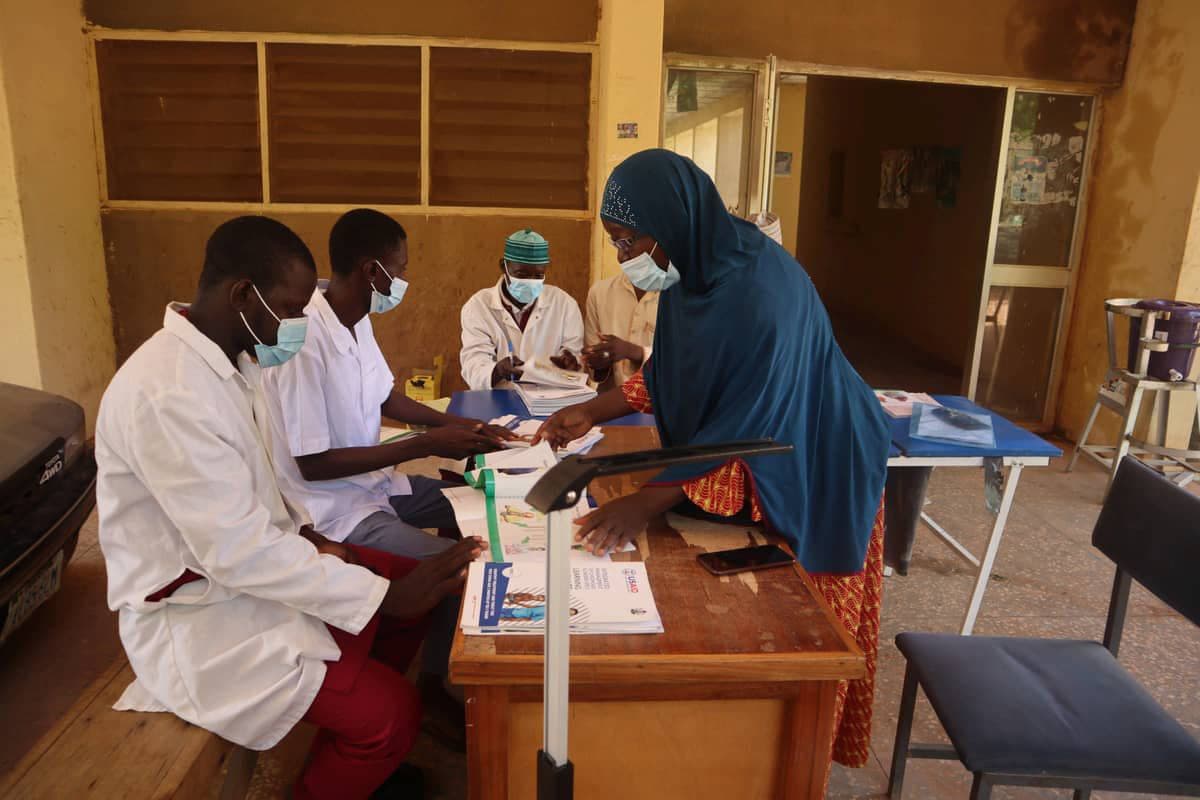
Accelerating the Control of HIV Epidemic Cluster 3 (ACE-3) Project
A ₦43 million grant supporting facility-based comprehensive HIV treatment for mothers and children and activating community access, care and support.
 Completed
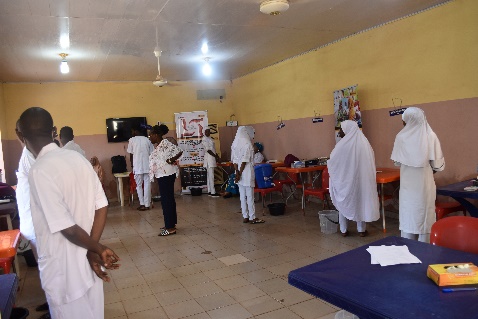
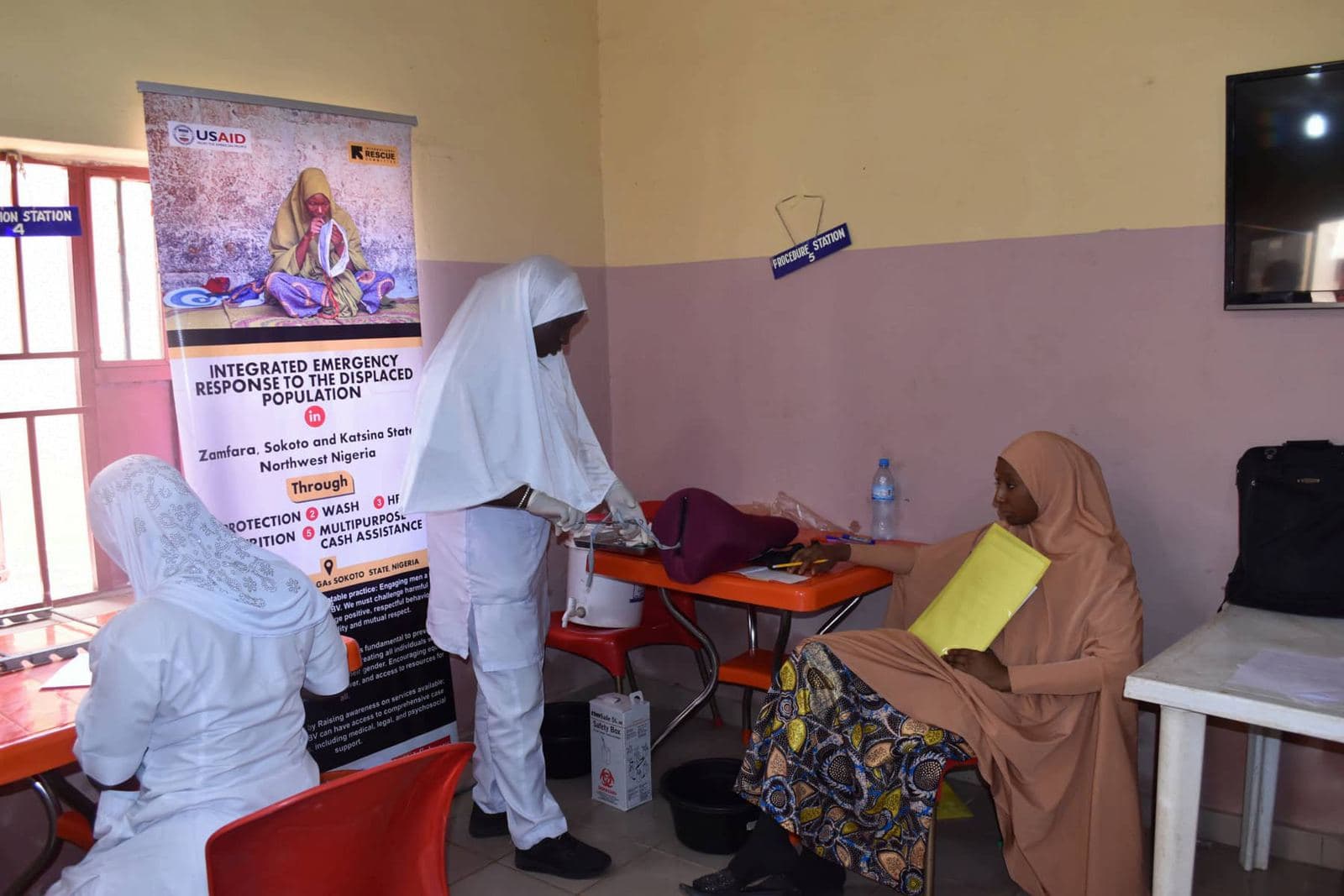
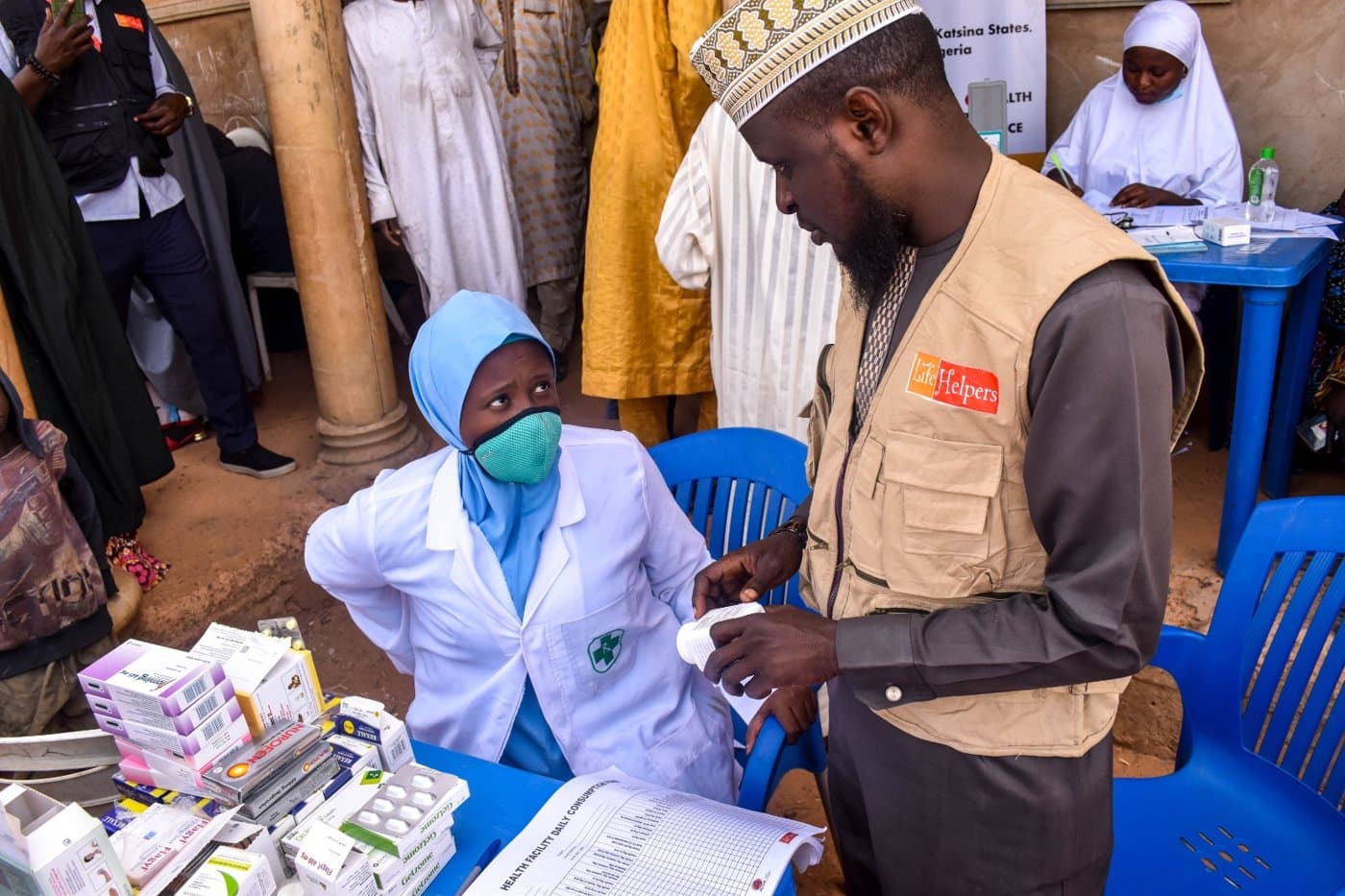
Integrated Emergency Response to the Displaced Population
In an IRC-led consortium with ALIMA, COOPI and GISCOR, funded by the US Government's Office of Humanitarian Assistance (formerly BHA), LHI was the health and nutrition lead for Sokoto State, serving displaced people and host communities through supported PHCs, mobile clinics and community nutrition programmes.
 Active
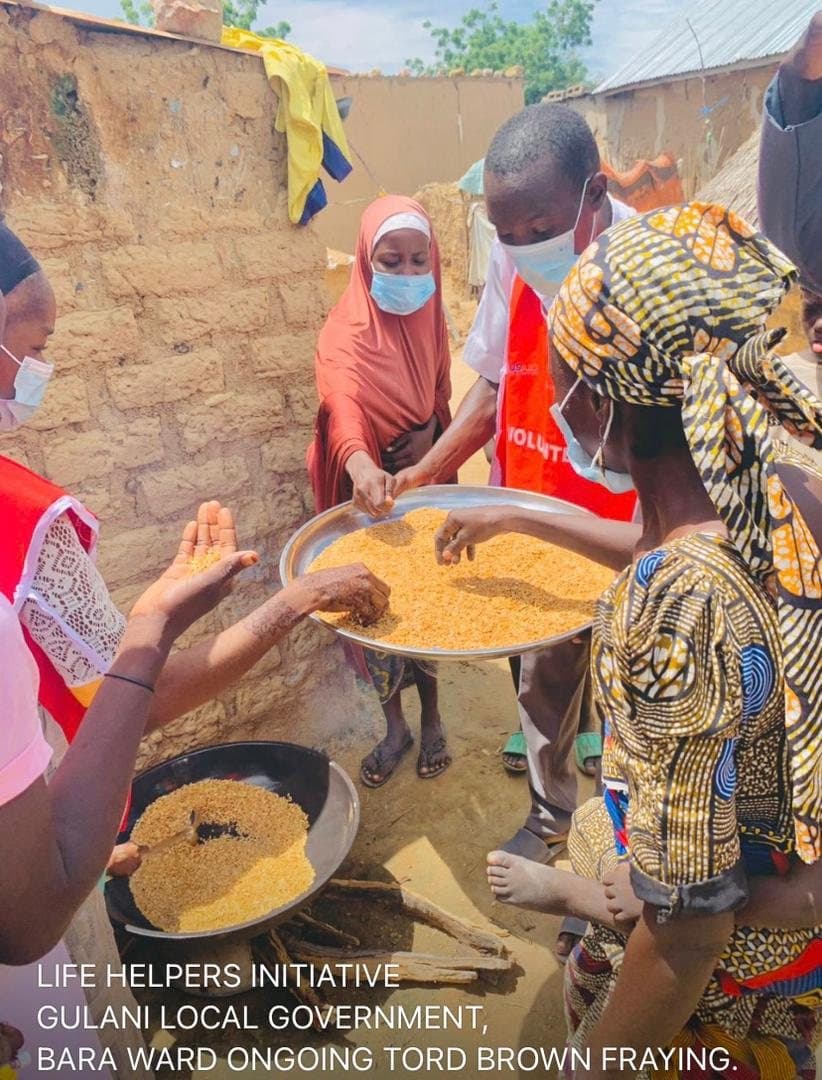
Integrated Multisectoral Lifesaving Assistance for Conflict-Affected Households
In a Save the Children-led consortium, LHI delivers nutrition, WASH and protection services and strengthens state, LGA and community structures to provide adequate services.
 Completed
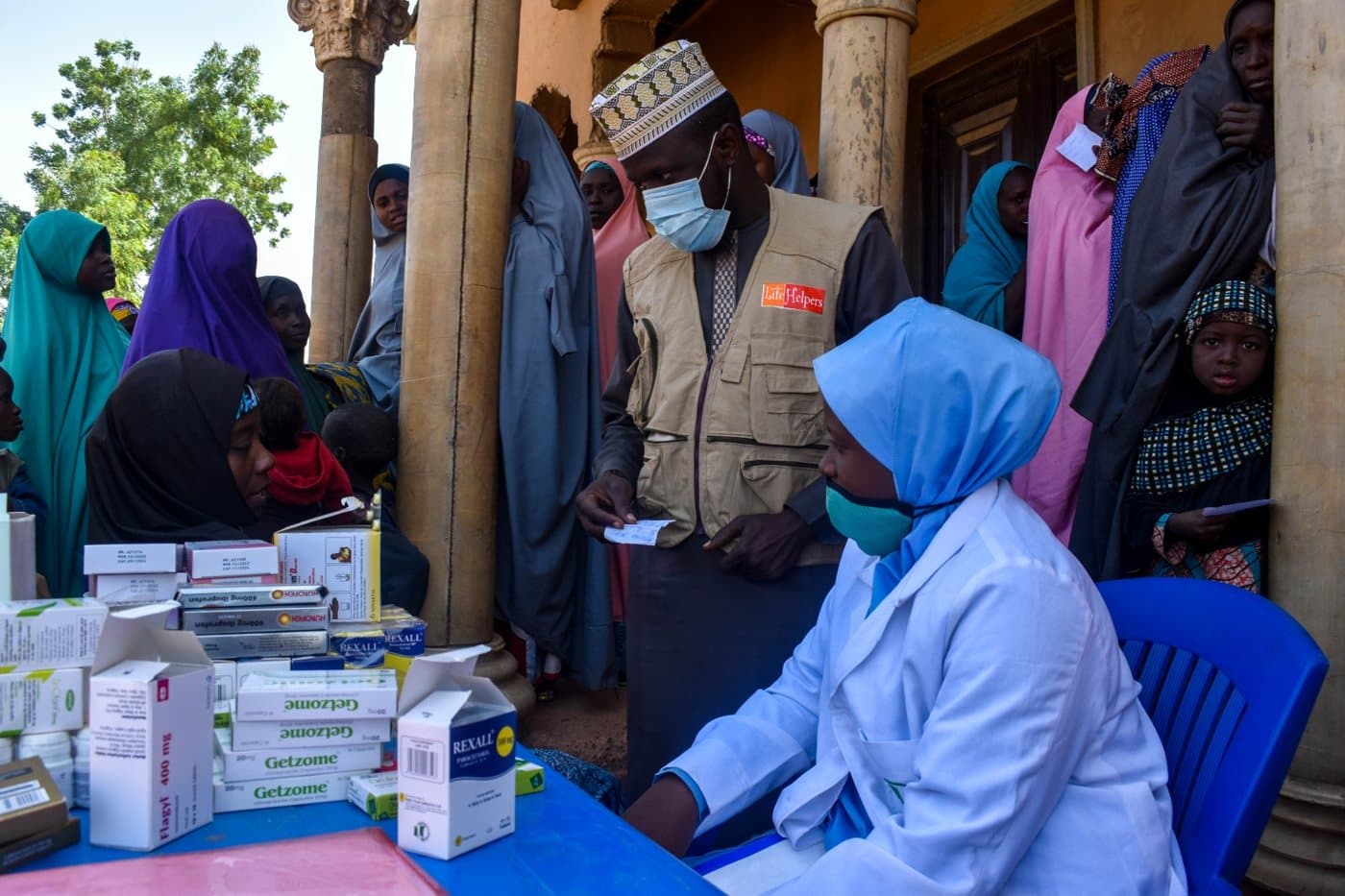
Enhancing Quality Malaria Services in Security-Challenged Areas
Enhanced primary-level health workforce capacity to provide comprehensive malaria services and strengthened overall malaria programming in the state.
 Completed
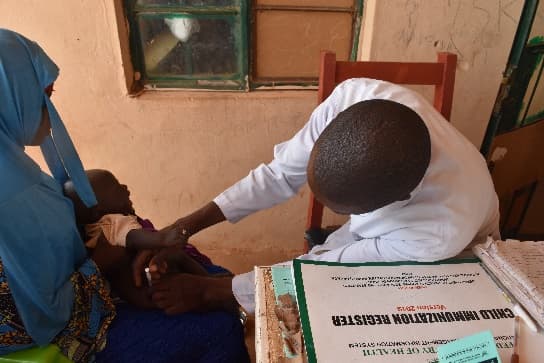
Reducing Infectious Disease among Children under 5
A CARE-led consortium combining health system strengthening and community-based services to address infectious disease outbreaks and malnutrition, increasing acceptance of immunisation and health services.
 Completed
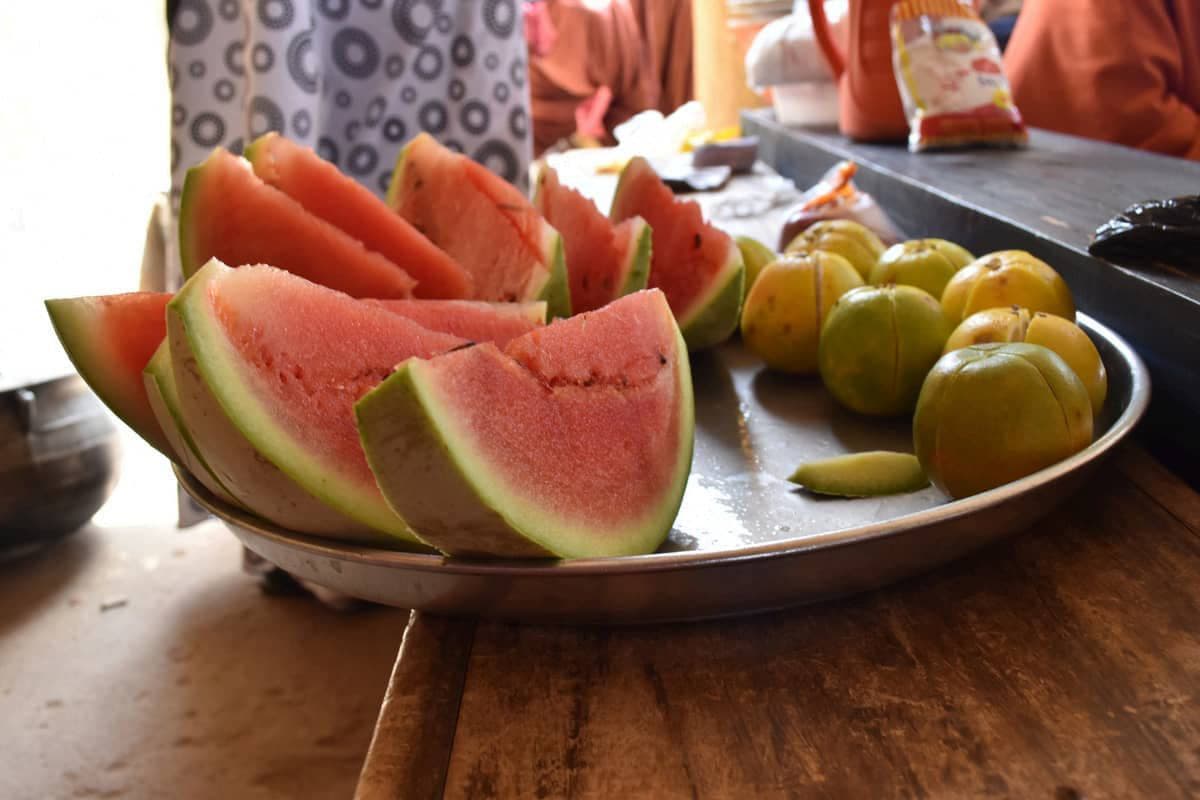
Training of Women on Goat Rearing and Micro-Processing of Legumes and Cereals
A two-way combination of nutrition and livelihood approaches: nutrition education and food demonstrations promoting dietary diversity, with training on goat rearing and processing of legumes and cereals.
 Completed
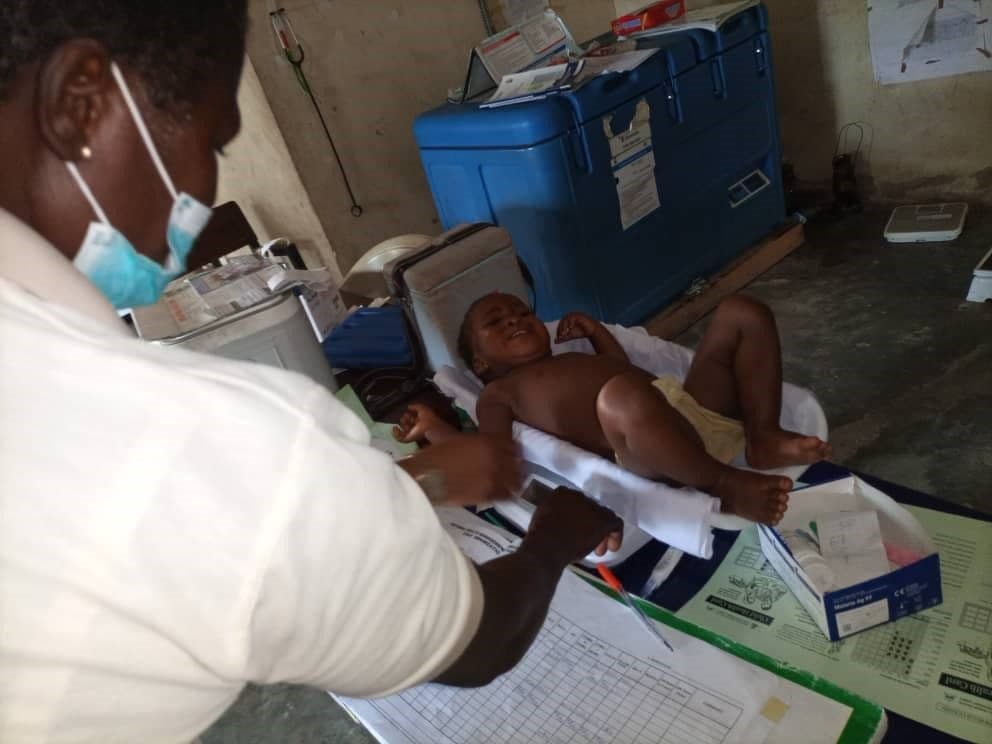
Integrated Health Program: Child Health Clinical Skills, CP & PPMV Training and Malnutrition Reduction
A grant-under-contract health system intervention improving prevention, diagnosis and treatment of childhood illness at primary facilities and in communities, using the low-dose high-frequency (LDHF) approach.
 Completed
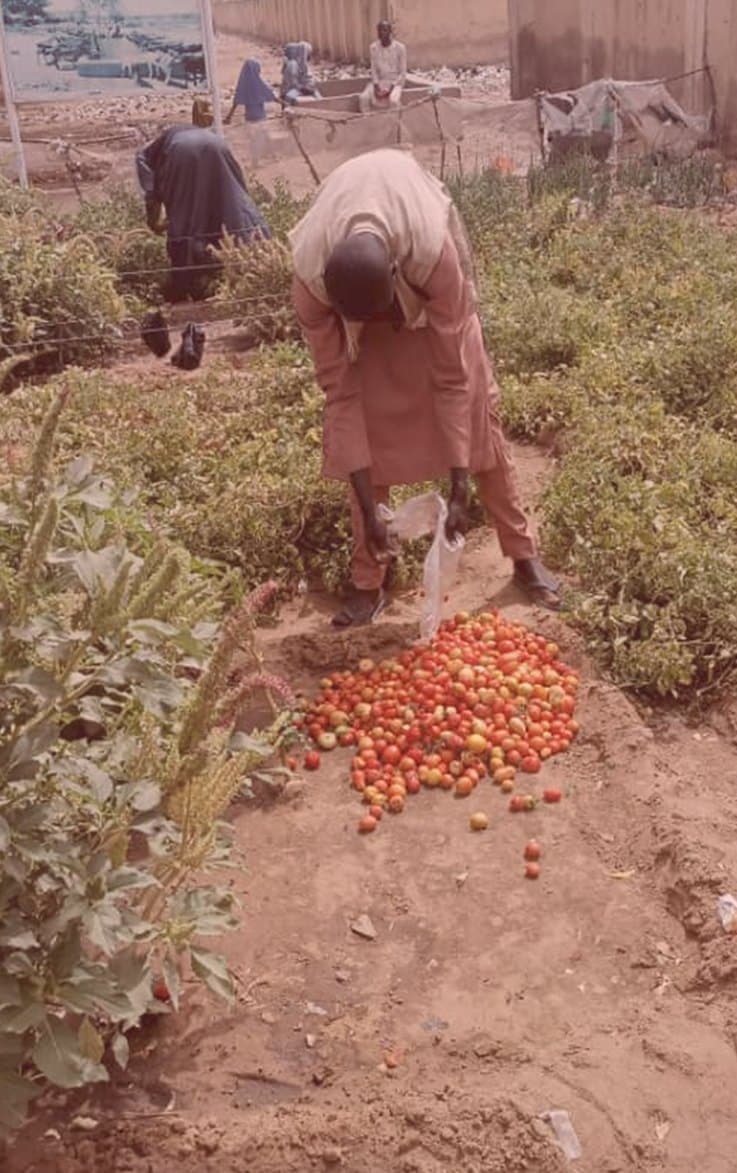
Restoration of Peaceful Coexistence and Adolescent Health
Promoted peaceful coexistence through peacebuilding initiatives while facilitating access to basic health for pregnant women and children under 5 and building community support mechanisms for comprehensive healthcare.
 Completed
Strengthen Health Outcomes for Women and Children (SHOW)
Improved utilisation of essential health services by women of childbearing age, adolescent girls, newborns and children under 5 living in poverty, with strong institutional strengthening of health workers and systems.
— In pictures
Health in the field