— Newsletter
Compendium of IHP Success Stories: Better Child Health Care in Sokoto and Kebbi
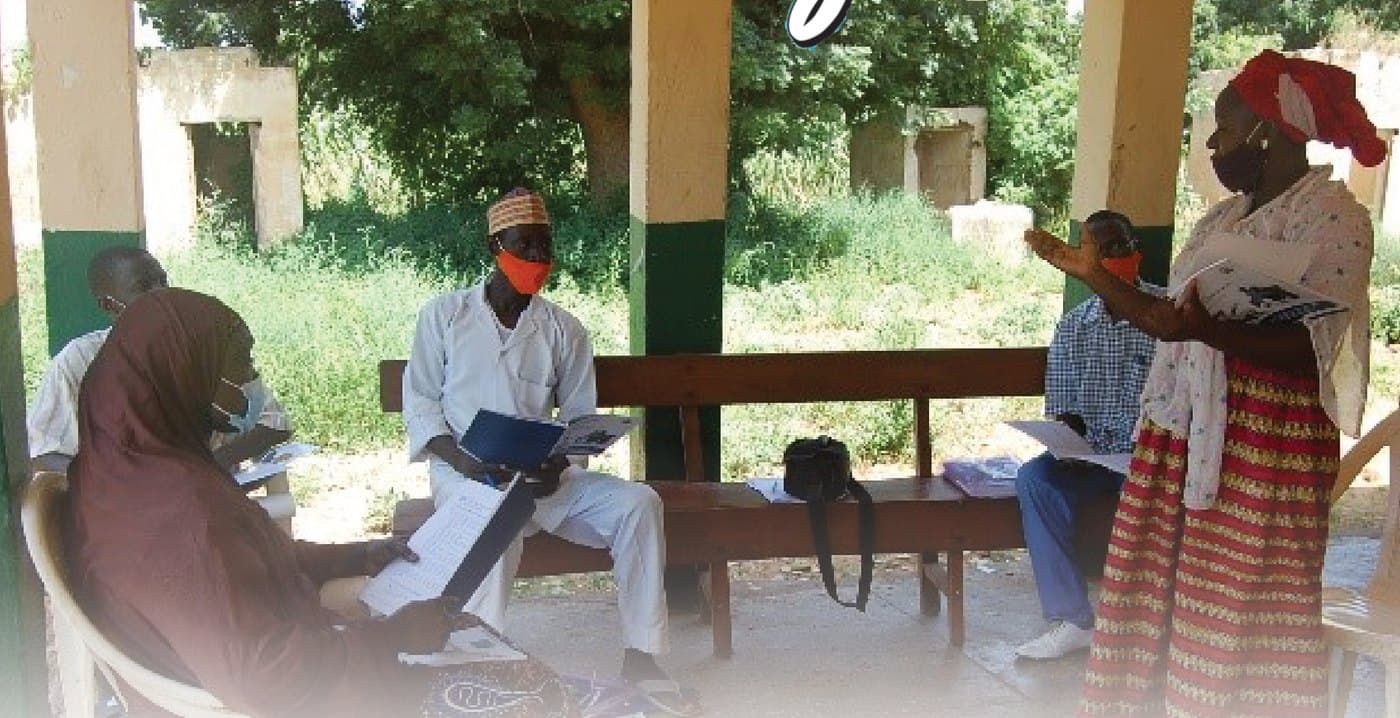
Pneumonia, diarrhoea and malaria, together with preterm birth, birth asphyxia and congenital anomalies, remain the leading causes of death for children under five, and nutrition-related factors contribute to about 45% of these deaths. Through the USAID Integrated Health Program (IHP), Life Helpers Initiative facilitated facility-based clinical skills training for health workers on integrated child health, nutrition, malaria and routine immunisation, using the low-dose, high-frequency (LDHF) approach in Sokoto, Kebbi and Bauchi States.
This Helpers Digest compendium gathers what trainees and trainers told us during follow-up visits to facilities in Sokoto (Chimola, Salame, Tambagarka, Mammade, Gidan Diya, Gumbi, Wammakko, Binji and Jamali) and Kebbi (Dakin Gari, Barbarejo, Aljannare, Bandam, Tungar Magaji, MCH Koko, Koko Town and K/Damba).
Read the flipbook · Download the PDF
What changed in the clinics
- Test before treating malaria. Facilities that once treated fever "blindly" with chloroquine or quinine now confirm malaria with a rapid diagnostic test and treat with ACT, reading each kit's leaflet for the right number of drops.
- The right drugs for diarrhoea and pneumonia. Diarrhoea is now classified and treated with ORS and zinc instead of antibiotics; pneumonia with amoxicillin.
- Assess, classify, treat, refer. The Chart Booklet and Sick Child Recording Form guide every step: green to counsel, yellow to treat at the facility, pink to give pre-referral treatment and refer with a referral form and follow-up.
- Danger signs. Workers can now tell a cough or cold from pneumonia, count breathing with a timer and recognise a convulsing or drowsy child.
- Nutrition. Weighing scales, height rulers and MUAC tapes that once sat unused are part of every visit. Mothers are counselled on colostrum, exclusive breastfeeding for six months and complementary feeding.
- Immunisation and antenatal care. Teams track defaulters, plan immunisation sessions and give SP and tetanus toxoid to pregnant women.
"This training has changed our professional and even our personal lives." Health workers at Binji Health Post, Sokoto
"I just placed the MUAC tape anyhow on the arm and didn't understand the colours. Now I use it well and give the right counsel." A health worker at Aljannare, Kebbi
At Tungar Magaji, a mother who had refused immunisation after hearing of a friend's baby's death was counselled during our visit and changed her mind: a small example of how better-trained health workers build trust in their communities.
Editorial team
Tayo Fatinikun, Maria Oyebimpe Oyedeji, Joy Dauda Dogo, James Bassey and Oluwafemi Tanimowo.
Comments
No comments yet. Be the first to share your thoughts.